


Home Depot Maintains Price Stability Amid Tariff Pressures, Defying Broader Retail Trend
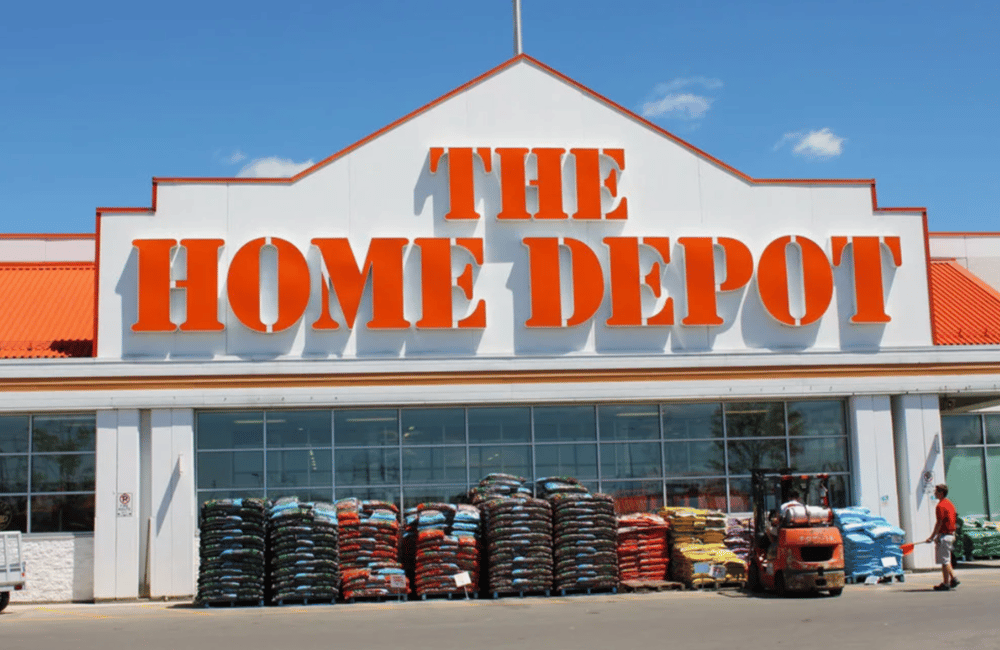
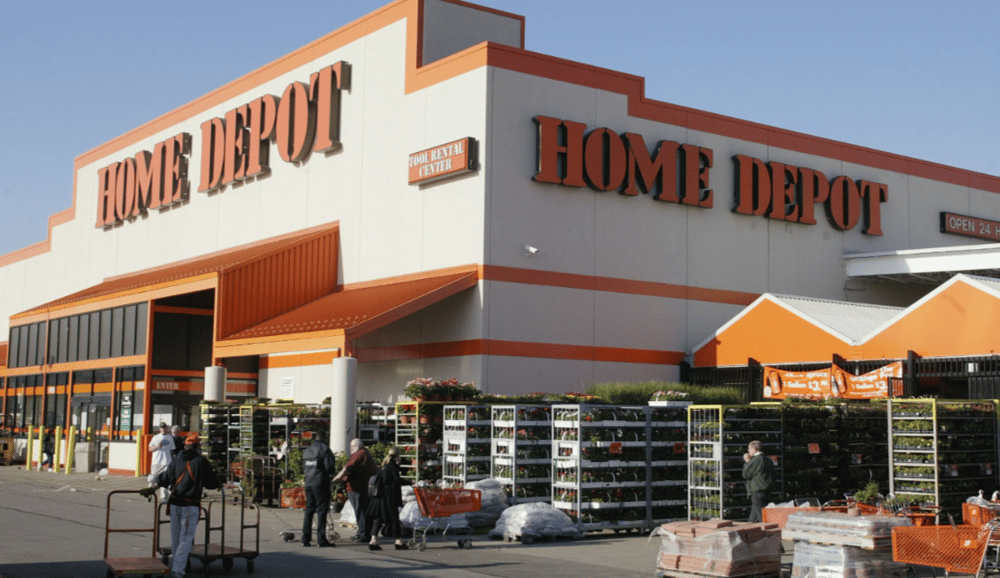
As new US tariffs loom over imports, the retail sector braces for inflationary pressures. While major players like Walmart $WMT have signaled potential price hikes, Home Depot $HD has charted a different course. In its Q1 earnings report, the company announced it will keep prices stable, citing strong demand from professional contractors and proactive supply chain realignment.
Price Stability as a Strategic Signal
Home Depot’s decision to maintain current pricing despite increased import duties reflects a deliberate strategy rooted in supply chain risk mitigation and confidence in professional demand segments. This contrasts sharply with Walmart’s recent statement that rising tariffs could soon be passed on to consumers—a move that sparked political backlash and market scrutiny.
CFO Richard McPhail emphasized that Home Depot is rapidly diversifying sourcing to ensure that no single country outside the US contributes more than 10% to total procurement within 12 months. This pivot supports both cost control and geopolitical resilience, aligning with long-term objectives in a deglobalizing economic environment.
From a market positioning perspective, the ability to absorb tariff-related costs without sacrificing pricing stability provides Home Depot a competitive edge, particularly as inflation-sensitive consumers grow increasingly selective.
Key Facts
Home Depot exceeded Q1 2025 sales expectations, driven by professional contractor demand
The company reaffirmed its full-year forecast despite trade uncertainty
Prices will remain unchanged despite rising tariffs
Supply chain restructuring aims to reduce reliance on non-US sources
Walmart has warned of imminent consumer price hikes due to tariffs
Market Response and Stakeholder Commentary
Investors reacted positively to Home Depot’s earnings, with HD shares showing resilience amid broader retail market volatility. Analysts interpret the pricing stance as a vote of confidence in the company’s margin flexibility and demand elasticity, particularly from commercial buyers.
In contrast, Walmart’s forward-looking statements regarding tariff-related inflation triggered political criticism. President Trump publicly rebuked the retailer, suggesting it should absorb costs rather than shift them onto consumers—a sentiment not extended to Home Depot, which avoided such backlash due to its pricing commitment.
Home Depot’s stance also plays well with market observers who see value in proactive procurement realignment as a buffer against future trade policy unpredictability.
Key Takeaways
Home Depot is prioritizing margin discipline over price hikes amid tariff pressures
Strategic procurement diversification reduces geopolitical and trade exposure
Professional buyer strength is key to HD's current performance trajectory
Walmart’s contrasting approach highlights sectoral divergence in tariff response
Political dimensions of tariff policy are influencing retail narratives and investor sentiment
A Defining Moment in Retail Tariff Strategy
Home Depot’s refusal to pass tariff costs onto consumers sets a notable precedent in retail strategy under protectionist pressures. By leveraging its contractor-focused demand, strong supply chain recalibration, and disciplined forecasting, HD.N has positioned itself as a stable outlier in an inflation-sensitive retail landscape.
The divergence between Home Depot and Walmart underscores broader strategic choices in a tariff-defined economy—choices that may shape investor confidence, consumer trust, and competitive dynamics for quarters to come.






















Comments
Momentum in automation is accelerating as companies align with long-term, visionary strategies.